London Dry Gin

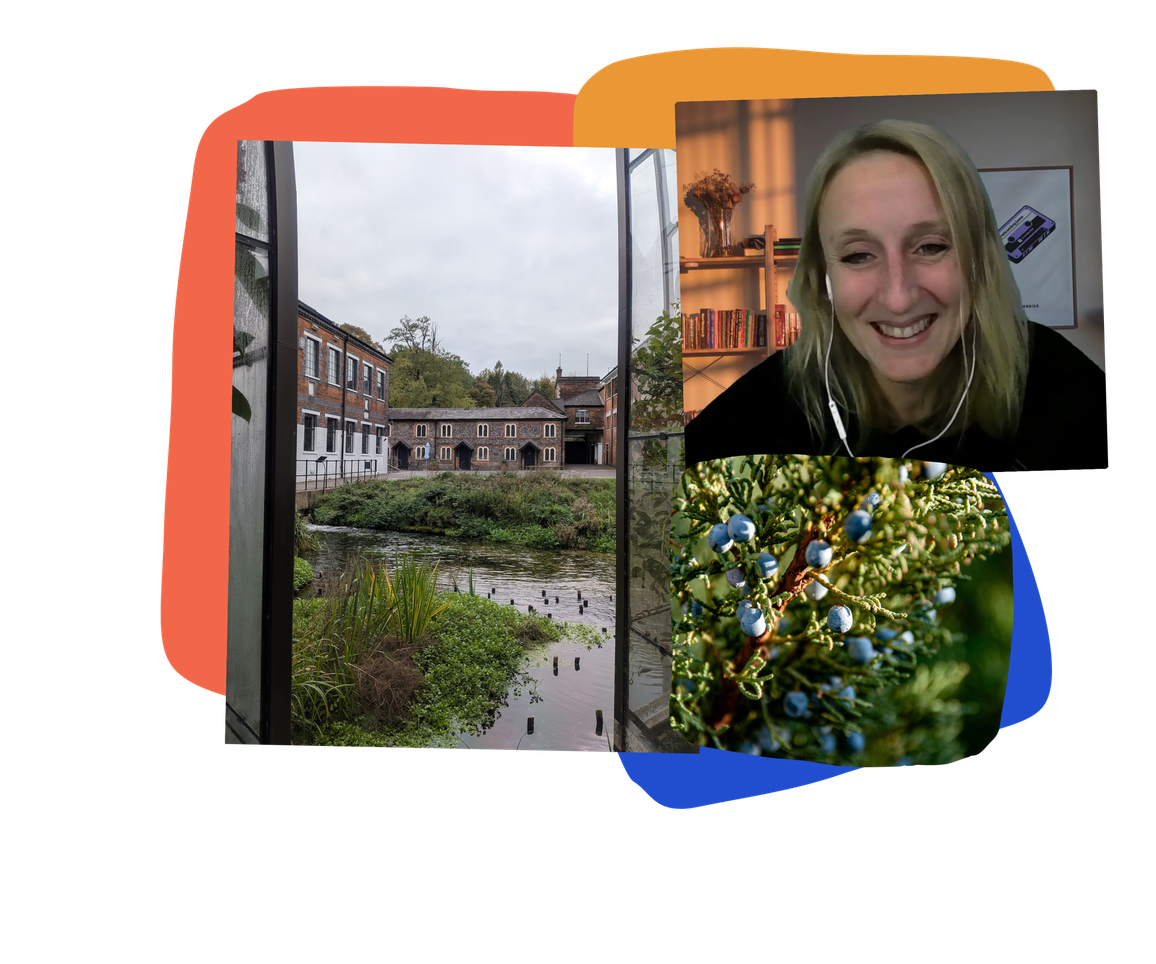
Before this trip, gin wasn't the spirit I would have called exciting. Mezcal, single malts, sure, but gin felt like something I already knew.
Then I spent time in London, where gin is everywhere: in the bars, obviously, but in the history and the national identity too. Its story is basically London's own story — a boom that nearly destroyed the city, a very long fall from grace, and a slow, deliberate comeback.
In this episode, we sit down with Dr. Anne Brock, who spent a decade as Master Distiller at Bombay Sapphire, to talk about what actually separates a London Dry from everything else on the shelf, why a well-trained human nose still beats a lab machine, and why climate change might be gin's biggest long-term problem.
By the end, you'll know exactly what "London Dry" legally means — and why craft doesn't have to mean small.
London Dry Gin
Listen to this episode to hear all about:
- Why gin nearly destroyed London — and its long road back to respectability
- The real difference between compounded gin, distilled gin, and true London Dry (the strictest of the three)
- How a well-trained human nose can't beat a machine
- Why climate change is quietly threatening gin's most important ingredient
- And how "craft" doesn't have to mean small — even at Bombay Sapphire's scale
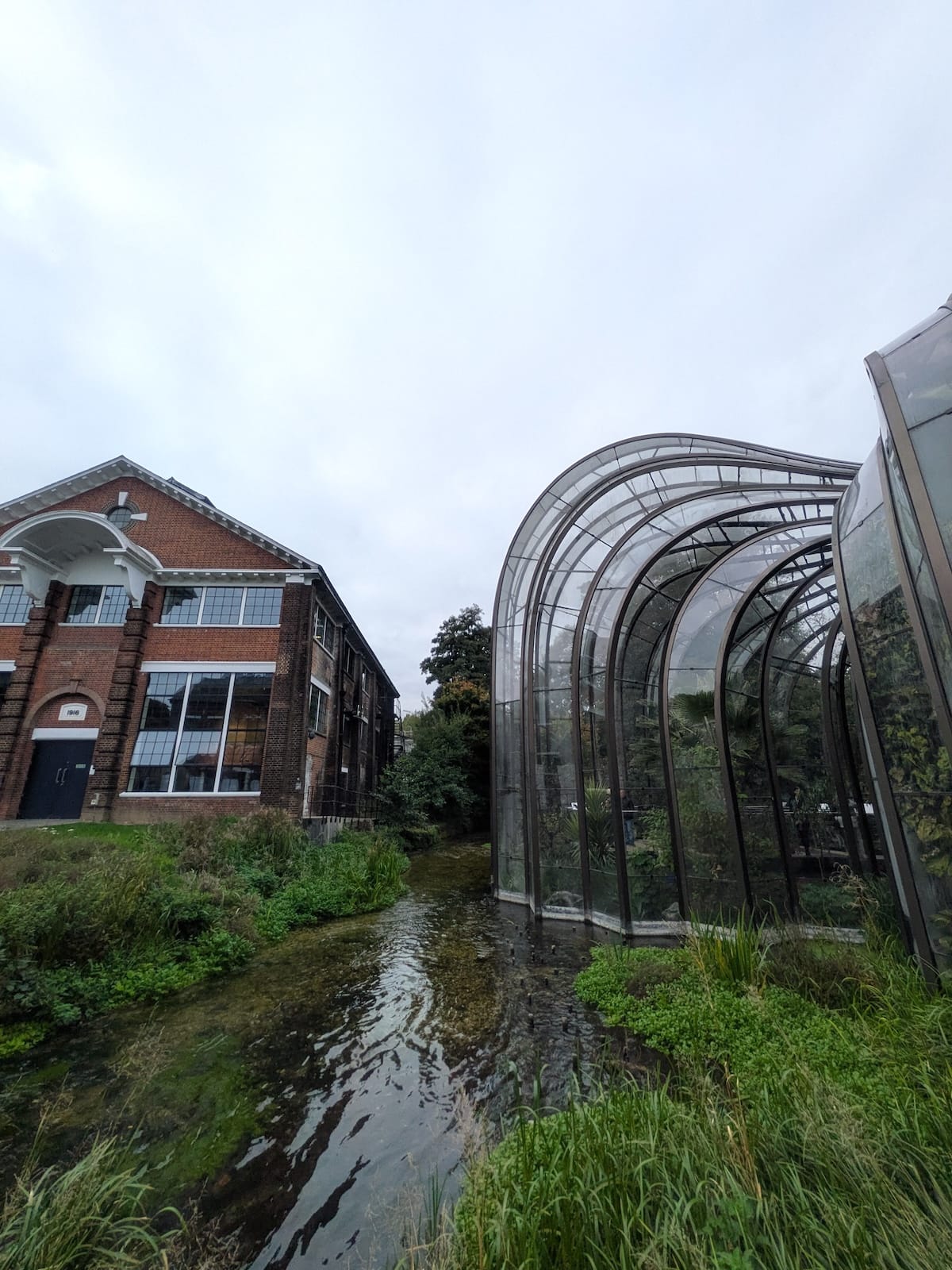
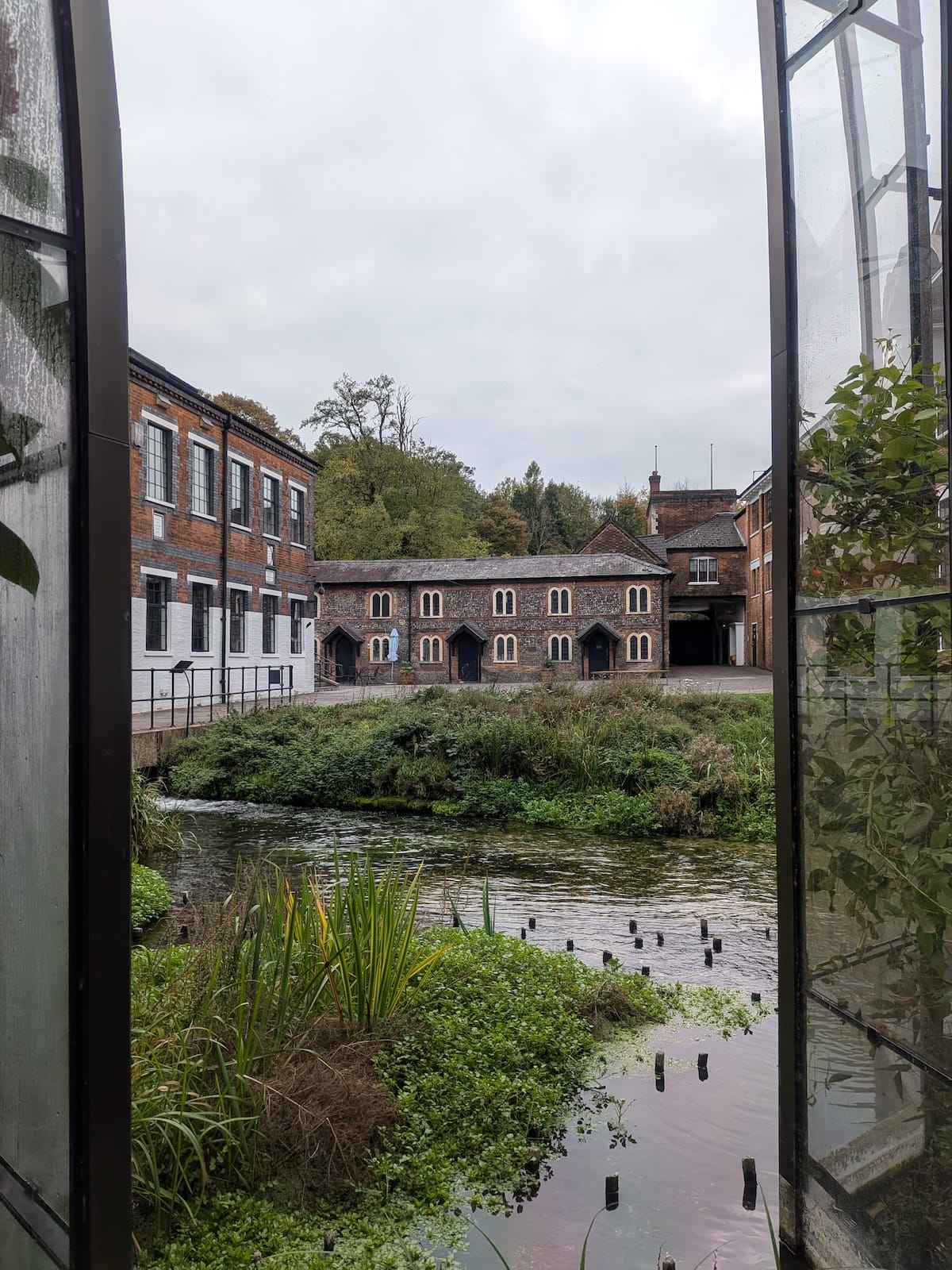
Scenes from the Bombay Sapphire Distillery outside of London
More from this episode
Transcript
Intro (0:00)
Welcome to Between Drinks, a podcast where we travel the world one drink at a time.
I’m your host, Caro Griffin, a mezcal sommelier, traveling bartender, and your guide through the world of really great drinks.
If you've been here since the beginning: hello again, and genuinely, thank you. And if you're new, no need to start from the top — but just so you know, we've already been to Mexico and Japan, and the drinks have been exceptional.
This season, we're heading somewhere a little grayer. A little rainier. A place where, I promise you, the drinks more than make up for the weather.
We're going to the UK.
I started this trip in London — a city with a surprisingly complicated relationship with its most famous spirit — before making my way up and all around Scotland, which is not subtle about the fact that it invented the world's most celebrated whisky.
And if there's one word that keeps coming up across all of it, it's craft — what it means, who gets to claim it, and why right now, of all moments, it feels more important than ever.
Let's dive in…
Episode Intro (01:03)
Anne Brock: So, gin is a really fascinating spirit because you can go all over the world and find slightly different definitions, but I am based in the UK, and I go by the EU definition, which states that a gin is an unaged spirit that is predominantly flavoured with juniper and the lowest ABV that it can have is 37.5%... And that is gin.
That's Dr. Anne Brock, the Master Distiller at Bombay Sapphire, and she's going to be our guide through the world of London Dry Gin today.
Now, I'll be honest: before this trip, gin was not the spirit I would have told you I was most excited to learn about. I drink it, I like it — but when I picture "great craft spirits," my mind usually goes somewhere else first. Mezcal. Single malts. Something with a story attached.
But spending time in London changes that. Because gin is everywhere here — in the bars, obviously, but also in the history, the culture, the national identity in a way that's hard to fully appreciate until you start digging in.
And once you start pulling on that thread, you realize: gin's story is also London's story. The boom, the fall from grace, the long comeback. They've been through all of it together.
History of Gin (02:24)
First things first: Gin didn't actually start in England. It started in the Netherlands.
In the 17th century, Dutch apothecaries were distilling a juniper-based spirit called jenever — partly for its supposed medicinal properties, but let's be honest, mainly because it tasted good and got you drunk, which was a more reliable cure for most ailments at the time.
English soldiers fighting alongside Dutch troops started drinking it, and, as the story goes, a quick swig before battle became known as "Dutch Courage."
They brought the habit back home with them. And when a Dutch-born king took the British throne in 1689, he accelerated things considerably: his government loosened restrictions on domestic distilling almost overnight, and production absolutely exploded.
And then London lost its mind.
By the 1720s and 1730s, gin was being produced everywhere — much of it cheap, unregulated, and genuinely dangerous. There are accounts of gin being sold out of wheelbarrows. Of one gin shop for every five to ten houses. Parliament tried taxing it, licensing it, and banning it. None of it worked.
Eventually, a mix of rising grain prices, higher taxes, and shifting public opinion did slow things down. And as production became more regulated, distillers started actually caring about what they were making.
The big turning point came in the 19th century, when new distilling technology — specifically the column still — allowed for a much purer, cleaner spirit. No added sugars, no artificial flavors, nothing added after distillation. That style became what we now call London Dry.
And the reason gin survived all of that? I think Anne put it best…
-
Anne: Well, I think gin is such an incredible spirit because it is so versatile. It is also because of the slightly loose definition of it. It just must be flavoured predominantly with juniper. There is a huge variety of gins out there on the market, which is incredible because it means there's a gin for everybody out there. I truly believe that everybody will find a gin they love.
-
But as loose as the definition of gin is… It’s also really strict in a way.
You can make it different ways; you can throw in literally anything, but it still has to taste “predominantly of juniper.” And so, it’s incredibly strict on one hand, and incredibly loose on the other.
And maybe there’s something to be said about London being the same way…
The Gin Category (04:53)
Anne: So, there's a number of different ways you can make gin, but then it will sort of determine what kind of gin you've made. The main two types of gin are compounded gin or distilled gin.
So, if I start with compounded, compounded is a super easy way to make it. It's not very easy to get it consistent, but essentially, you take those Juniper berries and any other botanicals you want, and by botanicals I mean citrus fruits, I mean flowers, I mean nuts, I mean spices, but as long as the predominant flavour of juniper is coming through, you can put anything else you want in there.
So, you take all those botanicals, and you put them in a high-proof vodka; you leave it to sit for a little while, and obviously it starts to extract the flavours and the colours into the vodka. You filter off the botanicals, and you have gin.
So it's very, very simple. You can also make a compound gin more recently by using flavours from a laboratory. So as long as juniper is the predominant flavour, you can just mix them with the high-proof vodka, and technically, you have a gin. However, the vast majority of gins…
Caro: That feels like cheating.
Anne: It’s so cheating.
Caro: Okay, I'm glad we agree. I was like, is that a faux pas to say I can't… knowing what I know about you. I can't imagine you're a fan of that either.
Anne: I'm a big fan of doing some distillation, and that's where distilled gins come in.
So, the vast majority of gins out in the market are distilled gins. There are a number of different ways you can distill them. So, I'll go into that in a minute, but essentially, a distilled gin, you take all the botanicals, you take your high-proof vodka. At some point in the distillation process, the botanicals meet the vodka, whether that's in the still or in a vapor basket, and the extraction happens.
Now, for a distilled gin, you can then go on to add fruit flavourings, you can add sugar, and you can add colourings. So, post-distillation, you can add things, and it will still be a distilled gin.
Anne: The type of gin where you can't add anything post-distillation is London Dry Gin, and that's that whole category; sort of it's almost like a marker of quality. It's the most heavily controlled, from a production process, type of gin that there is.
Doesn't need to be made in London, but what it does say is that all the flavouring of the alcohol must be done in that distillation. So you cannot add any flavours or sugar after distillation.
-
So, to put that simply:
Compounded gin is basically made just like tea… and there’s a joke there somewhere, I swear…. But, yeah, you steep your botanicals in alcohol; no distillation required.
Distilled gin, on the other hand, runs everything through a still. And London Dry is the most strictly regulated version of distilled gin — the one where nothing gets added after the fact.
Which brings us to exactly how Bombay Sapphire pulls that off...
How Distillation Creates Different Gins (07:50)
Anne: Now, distillation can be done in a number of ways, and the two main ways you can distill is either by something called steep and boil or by vapour.
And so steep and boil is where the botanicals start by sitting in that ethanol. So, a bit like the compounded gin, but this happens in the still. You start to extract some of those flavors. You can leave it to macerate for a little period of time. Then, when you are ready to start the distillation, you distill it, and the ethanol vapor and the flavors distill together over time and are collected as gin.
Vapor infusion, which is what we do at Bombay Sapphire, is a little bit different. We don't put botanicals into the still; we actually have a vapor chamber just before the condenser. So we boil the ethanol, and it becomes a vapor. That vapor passes over and into what we call our vapor chamber. It's basically this giant copper cylinder with these baskets with our botanicals layered in them in a very specific order. And the vapour passes into the bottom of the chamber, passes up through the botanicals, and that is where the magic happens, as I like to say, and we extract the flavours, and then that goes over to the condenser and is condensed and collected as gin, yeah… in a convoluted paragraph!
Caro: No, no, not convoluted at all.
I was obviously lucky enough to get to see the production in the baskets, and it was so cool to see. You made a point to say that it’s like a particular order and everything in it. And it is… it reminds me of those mise en place, like perfectly organized, like laid out things.
It's kind of like that, but like layered botanicals. There's something really beautiful in these kind of like, old, well-used baskets. I was like, there's something really lovely about this… to see the craft at such a scale because Bombay obviously is a huge scale.
Anne: Well, that's the thing. It's a big brand, but it's a small team that makes it. It's, I mean, I think a team of nine distillers plus some support staff. So, when you think of the Bombay Sapphire you find all over the world, I can pick up a bottle and trace it back to the distillers that have made it, which is something that I do actually quite like doing.
Loading the botanicals can't be done by machines; it has to be done by hand. So there is a real element of crafting to it. Just because you… you don't have to be small to be craft.
-
As soon as Anne said this - that you don’t have to be small to be craft - I was like, “Oooh, there’s a good pull quote.” And one I want to double-click into a bit.
The word "craft" came up constantly when making this season. Sometimes with people who wear it proudly, and sometimes with people who roll their eyes at it—and both reactions make sense. It's vague, it's unregulated, it gets slapped on things that don't deserve it.
But it’s also the best word we’ve got.
When I say “craft,” what I mean is that it’s made with care, with intention, and with some kind of purpose.
Sometimes that's a big purpose — like preserving native corn that's been around for thousands of years and is at risk of extinction. (Please see: the Mexican whisky episode.) And sometimes it's just making a good drink in a way that doesn't harm the planet, the people making it, or the community it comes from.
Small and independent can signal similar things, but they don’t guarantee it. Big doesn't disqualify you, and small doesn't guarantee anything.
And so something I’ve found myself thinking a lot about this year is the balance between craft and capitalism. How it’s like balancing in the middle of a teeter-totter that will never find equilibrium. But that does mean we should stop teetering and just pick a side?
Nah. The people doing that balancing act are often the most interesting ones—and, often, the most sustainable from a business standpoint. And I’d rather support them.
Which brings me back to Anne, who proved the point as well as anyone could. Because even at a brand as big as Bombay Sapphire, they still load those botanical baskets by hand… And there still isn't a machine that can replace a well-trained human nose.
Where Humans Still Beat AI (11:54)
Caro: You're responsible for making sure every bottle of Bombay Sapphire gin smells and tastes like it's supposed to at these huge quantities. So, are you just taking very small tastes of gin all day, every day? Or, tell us a little bit about what goes into that quality control.
Anne: I mean, yes, there's an element of, obviously, that is the buck stops with me, as it were, for quality, but for any spirit or any distillery, you can't just rely on one of those because I could have a cold. I do go on holiday. I sometimes get to go abroad to places like the Athens Bar Show, which is where we met.
Caro: I’m glad to hear it! [Both laughing]
Anne: I can't be around all the time. And so my distillers are all trained to do it. And we actually have a panel of nosing, of people who nose every single batch is checked by that panel. It then goes up to our bottling line, and we have another nosing panel up at the bottling line who are also trained on gin. So, there's a large number of noses that nose the liquid before it gets into the bottle.
Caro: That nose the liquid? [Both laughing]
I do love that you're calling them noses. There's something really lovely and like quaint about it.
Anne: I know, I know. So many puns. [Both laughing]
It's the technical term, and it only sounds silly when you're outside of the distillery, and people are looking at you slightly strange.
But it is, you know, my background as a chemist came into gin thinking, you know, there must be some kind of... lab equipment that I could use that would tell me that the gin was perfect. And I started in a small brand, so definitely didn't have the money there.
When I moved to Bombay, I was super excited to see what they had in the labs. And we do have a lot of technology. We do. We're very, very lucky, particularly in our botanical labs in Geneva, where our master botanicals, Alessandra Garneri, sits.
But, to this day, I always like to say I've had two samples of Bombay Sapphire that, from a gas chromatography machine, look identical, and you can pick up a difference on the human nose. There is nothing as powerful as the human nose, which is really quite remarkable when you think of everything that machines, AI, and robots can do today. They can't beat a well-trained nose.
Caro: What a relevant conversational turn this took. And yeah, mean, it goes back to the layering, the botanicals in the basket. Like a machine can't do that, right? A nose… the machine can't tell you what your nose can tell you, which is like something that's a little off here. And yeah, and that goes back to that craftness, right? We can AI a lot of things, but craft is still craft.
Anne: Not that, yeah, exactly. There are still skill sets that are needed in the world.
Maybe not, you know, I mean… I love it when AI writes me an email, but the rest of the true craft, the true skills, are still gonna be needed.
The Craft in Consistency (14:55)
Caro: Obviously, you have a few different expressions, but that classic Bombay Sapphire is Bombay Sapphire. And that consistency, I think, also, is an undervalued aspect of craft that just like doesn't get enough recognition… that like part of craft is finding that consistency, consistently. Like you said, being able to pick up that bottle anywhere in the world and know what it's gonna taste like.
Anne: It tastes the same, yeah. And you know, so much of that work gets done with the botanicals because every single botanical is a natural ingredient. So we are all very happy understanding that wine goes through different vintages because the harvest of the grape will change depending on the weather. But we seem to expect, despite the fact that there are 10 different, in Bombay Sapphire, natural ingredients, it's got to taste the same each time.
There's a huge amount of work that goes into ensuring consistency of botanical supply. So Alessandro works directly with the growers and harvesters of those botanicals to ensure that we get that consistency. He's got an incredible team in Geneva who also work very hard on that. And then once it comes to me in the distillery, we have four stills, and they all have their own personalities. The liquid comes off, or the Bombay Sapphire comes off, tasting slightly different each time.
Not hugely, no one's going to notice, but each little still has got a characteristic, and then we blend those away. So, there's a lot of blending, there's a lot of monitoring, there's a lot of trend following and analysis that goes into that bottle of Bombay Sapphire tasting as exactly as you would like it to be.
-
I really love that Anne made this comparison with wine, because it’s so true.
We’re happy to excuse differences between the same type of wine year over year. We even expect it! That’s part of what makes wine special.
You have to embrace the ephemera of it all to some degree and appreciate the bottle in front of you… without knowing if you’ll ever be able to taste it again.
But gin? I want it to taste exactly the same this year in Mexico as it did last year in London, and ten years ago when I first had it in Chicago.
… and that’s totally fair, too!
But it’s also part of the art, or craft, that gets overlooked in distillation. Especially in clear spirits like gin, which don’t have the same terroir claims that some other spirits do.
But Bombay Sapphire is made with 10 different botanicals, all harvested or collected from different regions around the world.
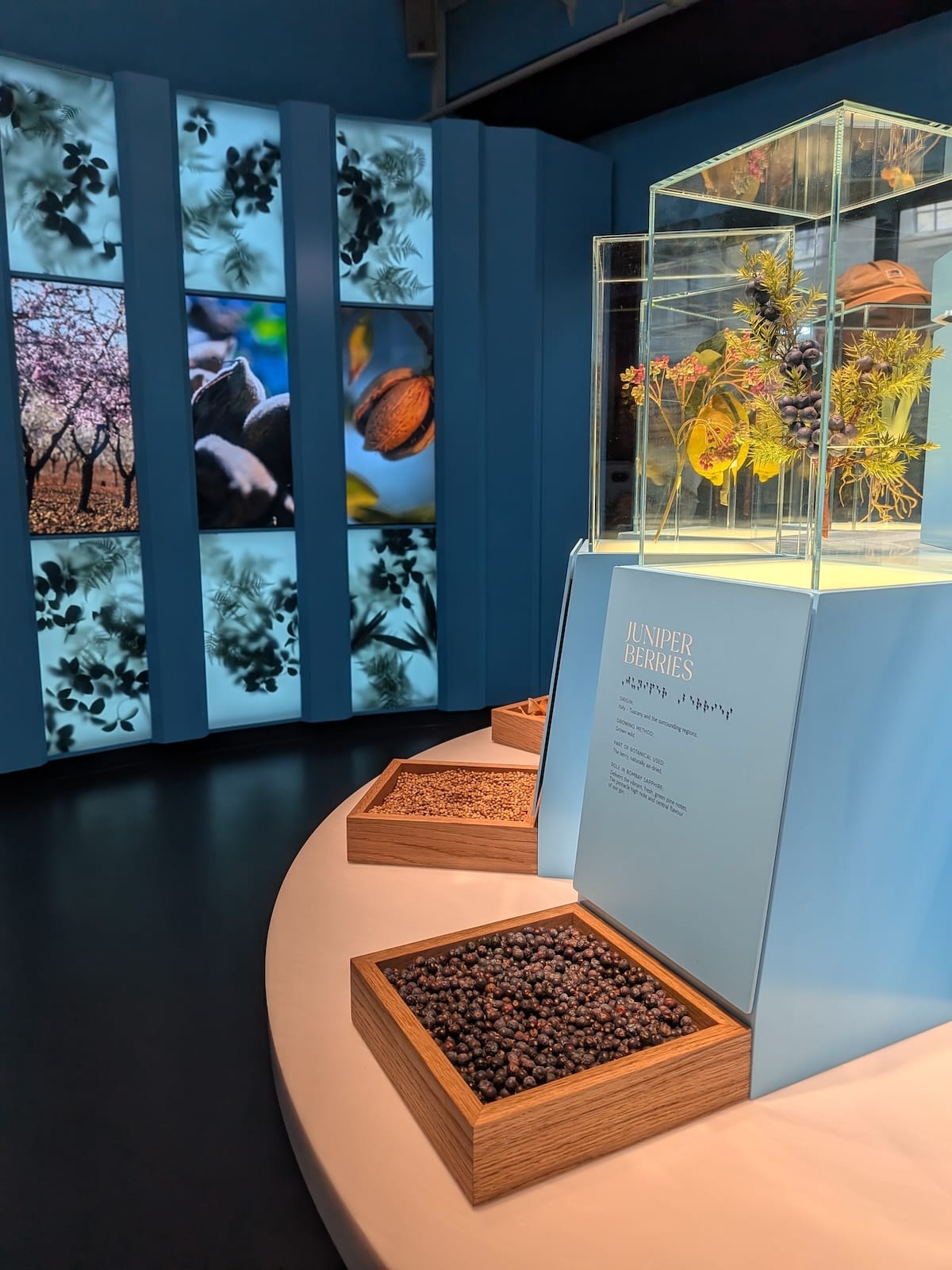
- There are the juniper berries, obviously. And, as Anne said, they can’t be cultivated. They only grow wild and have to be foraged - not exactly an efficient and easily scalable process.
- But her gin also includes lemon peel, coriander seeds, angelica root, orris root, and almonds - all collected from different places in Europe.
- And then there are the ingredients that come from Asia, like cassia bark, liquorice, and even a certain type of berries.
- And even grains of paradise from Ghana!
But more than the country of origin, what’s important is the hyper-specific flavor profile of each botanical. Which is a distinction growing in importance right alongside the severity of global warming…
Because the berries from one place that tasted a certain way a few years ago? They may not taste the same today as they did ten years ago because of the way our climate is changing. Hell, they may not even be around soon…
Global Warming (18:20)
Anne: It’s obviously changing things and impacting anything that's growing wherever it is in the world at the moment. And it's really a big part of what our master botanicals, Alessandro Garneri, does. He has these incredible relationships with our suppliers, and that is so important because they can give them early warning of any issues, of any harvest changes, because there's a lot of fluctuation we're seeing year-over-year in different parts of the world that has a big impact.
I think the biggest challenge the industry will have is our key ingredient, juniper. It grows wild and is foraged. Nobody cultivates this stuff, and it grows across many, many countries, particularly in Europe. But obviously, if something is growing wild and then foraged, you can't control the growing conditions. You can't mitigate any droughts or, you know, floods or anything. You can't step in and make any decisions around the growing practices because it's wild, and yet it is our key ingredient… so it's going to be a really fascinating few years, I think, for the gin industry.
It's gonna give Alessandro lots of headaches, I'm sure, but he really is in the best situation because of those relationships he has, you know, because he can assist and impact and help them make decisions around what they're doing in a really positive way that helps the farmers, but also, you know, obviously ensures a great quality supply for us.
Caro: I guess I did know it was wild, but yeah, I hadn't thought about that in terms of global warming and made that connection of like, wow, the most important ingredient is [Anne laughs] gonna be the biggest challenge. I do love that you were like, you weren't like, damn; you were like, so it's gonna be really fun! It's gonna be really interesting!
Anne: Well, it's because I can rely on Alessandro to deal with it all, and I'll just be like, “Thanks for my Juniper!”
Caro: “Thanks, it smells great!”
Anne: Exactly, I'm just there to turn it into gin.
Caro: Thanks for all that work you did over there. I love that, poor Alessandro. Fun challenges all around!
Anne: I mean, most people are passionate about climate change, but it’s something really important to me as a person, and I know it’s really important to Alessandro, and to the brand, because I know it will have such a big impact on what we do.
-
Cool job alert, by the way — I don't know what Alessandro's LinkedIn title says, but 'master of botanicals' is a hell of a gig.
And, regardless of what botanicals and other raw ingredients you’re using, distillation is an energy-intensive process in general. So, let’s talk a little more about that…
Sustainability (21:05)
Caro: I know you and the team have been prioritizing sustainability in recent years, and I was just at the distillery and heard a story about a light bulb moment you had regarding water usage while you were straightening your hair, I believe he said?
Anne: [Laughing] Who told you that??
Caro: I cannot reveal my sources. And so, maybe if you could tell us about that and any other initiatives you're doing over there.
Anne: Yeah, it's remarkable, isn't it? Because once… I often find that once you're at work and you're on site, you're dealing with the immediacy of everything. And sometimes your best ideas come when you're on a walk or in a shower. It just so happened that it was early morning and I was straightening my hair before I went to work. And I can't tell you why I was thinking about it. But obviously, we run this distillation process called vapor infusion, so none of the botanicals go into the still. So at the end of the distillation, you've got the majority of water, a small amount of grain neutral spirit left in the still, and everything else is distilled over and becomes gin.
Now, before, we were draining that away as feints and just recycling it with the rest of our sort of heads and tails.
For some reason, it popped into my head, but this is clean; we don't need to do that. And it's majority water because we drain it, and then we put more ethanol and water back into the still. So we retain those now. So at the end of distillation, we discard the heads and tails and keep what's left in the still. And it saves us a huge amount of water every year, which was such a simple idea, but often you need those moments where you're sort of not really thinking for the simple ideas to come. The obvious ones are sometimes the hardest ones to see.
But it's just really a testament to the way my team thinks about sustainability. They're thinking about improvements in the production process all the time, because everything they do that improves the production process helps me maintain the quality of the liquid, and it also allows us to hit some quite tough sustainability targets that we're facing over the next few years.
Caro: I think too, it's like when you are part of what feels like a bigger, not literally a big team, but like a bigger organization, and you have these resources, you're like, surely someone would have thought about it if we could do that. There is a little bit of this under… assumed-ness. And, like you said, sometimes you have to be in the shower, you have to disconnect, you have to let it kind of float over you, versus sitting at a desk.
Anne: Also, I came into the team when the site had been operating for a little while. So they'd been through the whole commissioning of the site, getting the site running, getting the liquid, the Bombay Sapphire tasting great. And I hadn't been there for that. So I came in with fresh eyes while they were sort of getting used to the day-to-day, having gone through this really quite, I mean, anyone who's done an opening of a bar or commissioned any type of technology understands the stressful nature of that. And I just got to swan in at the end and notice things. It was good for me. But I think sometimes having fresh eyes on something is really helpful.
Caro: Yeah, no, absolutely. And there's that old adage for a reason of, “If you do things the way you've always done them, you're gonna get what you've always gotten.” And sometimes that's really nice, and sometimes that gets us in the situation where now we need to be very mindful of every bit of water and waste that we're doing. And it was cool to see some of the small tweaks at the distillery that are having those bigger impacts.
Anne: Yeah, we're really proud. I mean, one of the ones that we've done recently is send all our spent botanicals away for anaerobic digestion, which is a really cool way of disposing of biomatter because it creates biomethane. And you can either use that biomethane, or you can use that gas to turn a turbine and make electricity. So it's creating electricity out of our spent botanicals, which has been a great project that one of my team was working on.
Caro: They did tell me this, and something else that also came up was that the recycling of the heads and tails sometimes goes into industrial usage, even windshield wiper fluid or something.
And I just love the idea of someone unknowingly, someone who maybe is a big Bombay Sapphire gin drinker, using windshield wiper fluid, having no idea it comes from their favorite gin, the power of their home coming from Bombay Sapphire, you know? [Both laugh]
Anne: I mean, but I think that's, you know, it would not be recognisably Bombay Sapphire, but I do think there's some joy and sort of in that completeness of circularity. I like that. Hopefully, we'll see more of that from all industries over the coming years.
-
All of this care — the spent botanicals, the water savings, the team of nine people loading baskets by hand — it's happening at a moment when gin is figuring out what its next chapter looks like.
The boom years are behind it, but it’s not done growing, and what comes next is a more interesting question…
Where gin is going (26:18)
Anne: 10, 12 years ago, there was a real boom in gin in the UK. The UK has always been a big gin-drinking country. But we saw the rise of craft distilleries, and a lot of craft distilleries make gin as they're going on to make whiskey because the gin doesn't need to be aged. So you can start selling it immediately. And it's also incredibly versatile. You can create your own flavor profile quite quickly by using unique botanicals.
And so we saw this real rise in the number of gins on the market and the amount of gin that was being drunk. And it was sort of seen, particularly in the UK and Spain, and in Australia as well, this sort of rise in appreciation. And that has plateaued a bit now.
What we're seeing is people are certainly… the flavoured gins are seeing less growth, and people are sort of returning to much more classically flavoured London drys like Bombay Sapphire, which is great. And it's great for those classically flavoured and classic styles of gin.
They're what most of the cocktails that you see in a cocktail book were made on. It wasn't anything that had sugar or strawberry syrup in it. So, I think that's really great for the industry. You know, gin is still growing. It's not quite growing at the double digits we were seeing a few years ago, but it's still in a really strong place.
And if you go to places like, say, North America… North America is one of the biggest markets by volume for gin. But actually, if you look at its market share, it's really tiny. I think it's only vermouths and bitters that are lower than gin in the market share in North America. It's about 3% of the overall spirits market, which was the last stat I saw, which means there's a huge amount of room for growth. And I think it's always been a spirit that hasn't been as appreciated in North America as in other parts of the world, but I'm fully confident that is changing and that people are really getting to understand, love, and enjoy drinking gin cocktails. So that's really exciting.
And we only need a few more North Americans to start drinking gin. And, you know, I'm going to be quite busy.
Caro: Well, great! I mean, I think the vast majority of the people listening to the podcasts are in North America. So, guys, the doctor has spoken. We have our assignments.
Anne: Okay, get drinking it, please!
Caro: So, I'm shocked that it's 3% or anything close to that…
Anne: Yeah, I mean, that was the last, I think it was last June, I saw that stat. But so it may well have changed, but it's still very… Relatively to the size of the overall spirits market, it's still very, very small. So there's a huge amount of room for growth because of the versatility of it. You know, as I said, there's a gin for everybody.
Caro: Absolutely. No, and I take your view where I'm like, that's actually that's exciting news. I mean, even if you get to 6%, that's double. I mean, that's a huge... You'd be like, okay, maybe not that much, guys.
Anne: We would be in trouble. That a huge amount of volume. Just a little bit. Go slowly, please. [Both laughing]
Caro: Slowly, let's ramp it up. Okay. Let's just slowly ramp up our gin usage. So Anne has time to catch up on production, but all right. Well, we'll get on that.
-
Now, to be clear — Anne is describing the market as it stands today—post-plateau, post-boom. But for a while there, gin was having a moment.
Part of what drove it was the craft cocktail revival happening at the same time. Bartenders were reaching back into classic recipes — the Negroni, the Martini, the Gimlet — and realizing that a more interesting gin made for a more interesting drink.
And gin, with its huge flavor range and that one-rule-to-rule-them-all juniper requirement, turned out to be the perfect playground. You could make it floral, or citrusy, or spiced, or even almost savory — and it would still work in a cocktail.
So you had bartenders wanting more interesting gins, and distillers wanting to make them. Especially all these new whisky distilleries that were sitting on their hands, waiting for their whisky to age.
Hundreds of new distilleries opened up. There were new botanicals, new flavor profiles, and gins in every color of the rainbow. It felt like the whole category was in startup mode.
And Anne was there for the beginning of all of it…
Anne’s role in the gin boom (30:48)
Anne: It was exciting. It was amazing. There was a real energy. There were lots of people sort of starting out around the same time. And so there were a lot of people I could turn to and talk to and have as my support network. Most of whom I'm still in touch with today, which is great.
But also, it was incredible because the production side of any spirit is a lot more... collegiate than, say, the sales and marketing, where it's obviously incredibly competitive. [Caro laughs]
Caro: That is such a nice way of putting it. Collegiate. It feels like a very British turn of phrase, too, collegiate.
Anne: I was trying to think of the right word. That feels like the right word.
And, you know, I came in as this woman who'd never distilled gin, drunk a lot of gin in my time, but never distilled it. And I distilled a lot of things in labs, you know, as a chemist. But again, you didn't drink what I distilled back then; that would have been a problem. So, I went through, you know, I started to try and learn as much as I could about how to make gin. And I was incredibly sort of blown away by the number of people…
So, for instance, Charles Maxwell at Thames Distillers. He was making the gins that I was building a distillery for at the time, and I was going to take production off him. That was my goal. And he just invited me down to the distillery, and his team taught me how to distill and how to make gin. And it's incredible that on this side, we're very supportive and we help each other, and it's a very welcoming industry.
I often get asked what it was like as a woman entering the industry… and it was a bit of an old-man, old-boys club, but it was a very welcoming one. It wasn't that they were shutting people out. It was just as soon as I knocked on the door, they welcomed me with open arms. So, it was a really great time to join the industry and become part of the gin world.
I joined the Gin Guild and became a board member of Gin Guild. And that's just given me the ability to really connect and be a leader in the industry and represent a category that I really feel strongly about. And I think now it's not quite where we were back in 2013, in terms of…
There's a lot more pressure across the system. There are a lot more challenges. We all know what happened over the last five, six years, which hasn't made life any easier for any distillery, no matter what the size. But, because we have this incredible sort of group, or incredible relationships between the different brands, and between the different gin producers, I feel like we can support each other, and we can continue to learn and grow.
It's tricky times for some brands right now, but I really do feel that gin is only going to get stronger and keep growing.
Would I do what I did back in 2013 today? Probably not. [Laughs]
But maybe that's just because I'm less innocent, wide-eyed, and I know more about the industry; I don't know. But it's still a wonderful place to work and a wonderful industry to be part of.
Gin in summary (34:10)
I came to London not totally sure what to expect from gin. I’ve had a lot of it over the years, especially in cocktails, but I’m a terroir person, you know? And isn’t gin just juniper-flavored vodka??
Well, I hope this episode showed that it’s a little more than that. [Laughs]
Gin has a long, colorful history. It nearly destroyed a city. It survived some of the worst regulation-by-panic in drinks history. It had a massive revival, a bit of a hangover, and now it's quietly finding its footing again—led, in large part, by people like Anne, who actually care about what's in the bottle.
And I think that's the part that stuck with me most from our conversation—not the craft of the distillation, impressive as that is, but the care behind it. The team of nine distillers who load those botanical baskets by hand. The botanist in Geneva who tracks juniper harvests across Europe. The fact that no machine can replace a well-trained human nose.
That's not a small thing.
It’s also at an inflection point—on one hand, lots of opportunity and growth that’s possible, and, on the other, a changing climate changing the botanicals that really define gin.
And to take Anne’s optimistic outlook on things… “It’s going to be a really fascinating few years.”
One small postscript worth mentioning — since we recorded this conversation, Anne has actually left Bombay Sapphire, after about a decade as their Master Distiller.
She hasn't announced what's next yet. But if this episode is any indication of how she thinks about gin, I imagine it’ll still be in that world and very much worth paying attention to.
Show Notes (35:44)
That's it for our first deep dive of season three. Thank you so much for listening.
A huge thank you to Dr. Anne Brock for her time — genuinely one of the best conversations I've had making this podcast. You can find links to connect with her and the distillery in the show notes. That link is betweendrinks.co/drygin.
Next week, we're heading north to Edinburgh, Scotland — and we're tackling the most misunderstood category in Scotch: the blend.
If you enjoyed this episode, you can subscribe on Apple Podcasts, Spotify, or wherever you listen to make sure you don’t miss it.
And if you want even more from the show and from me, check out the newsletter. The subscribe link is in the show notes — that same link: betweendrinks.co/drygin. It’s genuinely the best place to follow along on everything that doesn’t make it into an episode.
For example, while releasing this season, I’m already on a road trip, working on the next one. So, I’d love to have you along for that! You can subscribe at that same link: betweendrinks.co/drygin.
See you next week for the train ride up north.
Show Notes
- Bombay Sapphire
- The Gin Guild (Anne's a board member)
- Charles Maxwell at Thames Distillers (mentioned as the distillery that first taught Anne to distill gin)
Subscribe
Subscribe to the show in your favorite podcast player to make sure you never miss an episode.
And maybe leave a rating/review while you're there? 🙏
Related Episodes
 Caro Griffin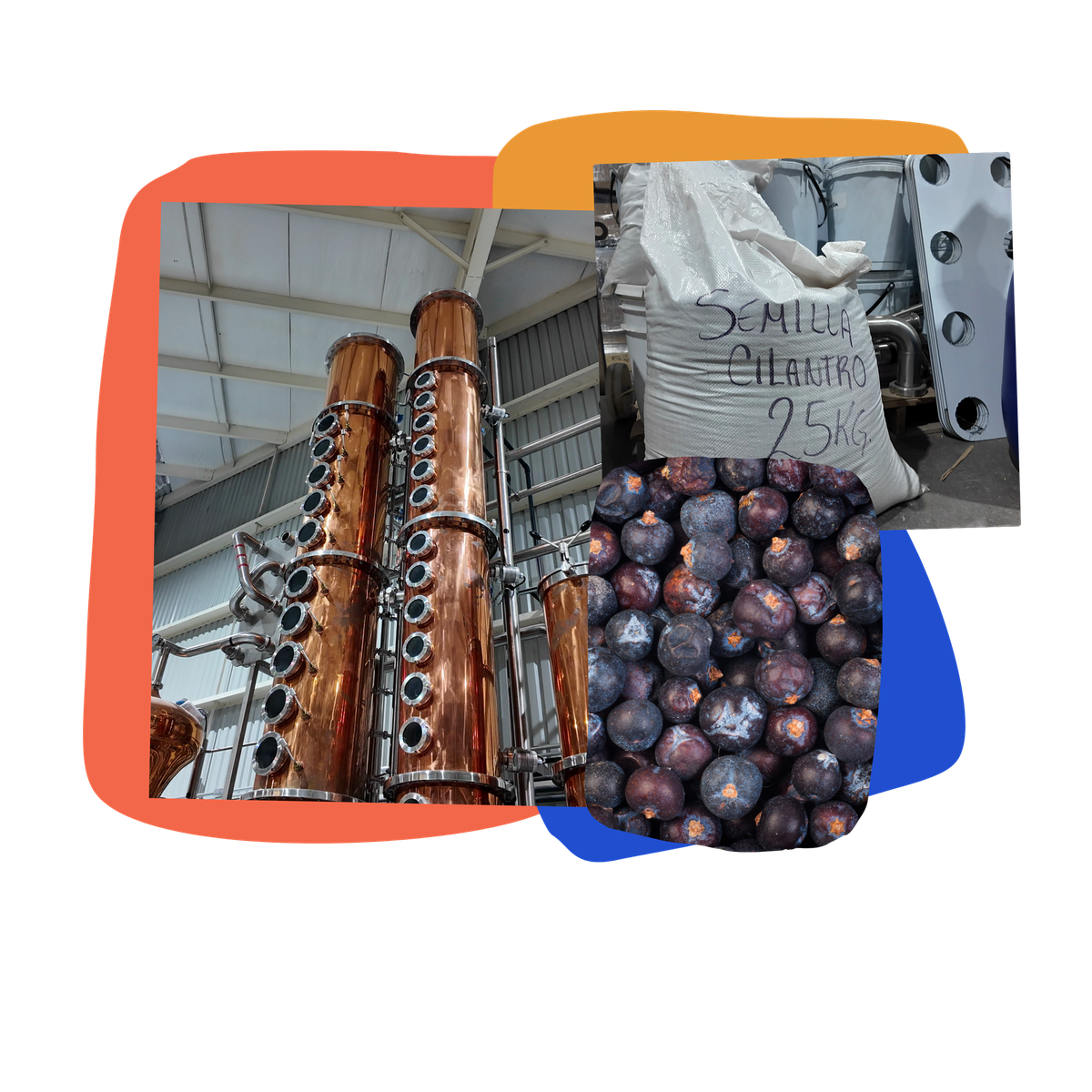
I've spent a few too many nights exploring its great cocktail bars. Check out a few of my favorites.